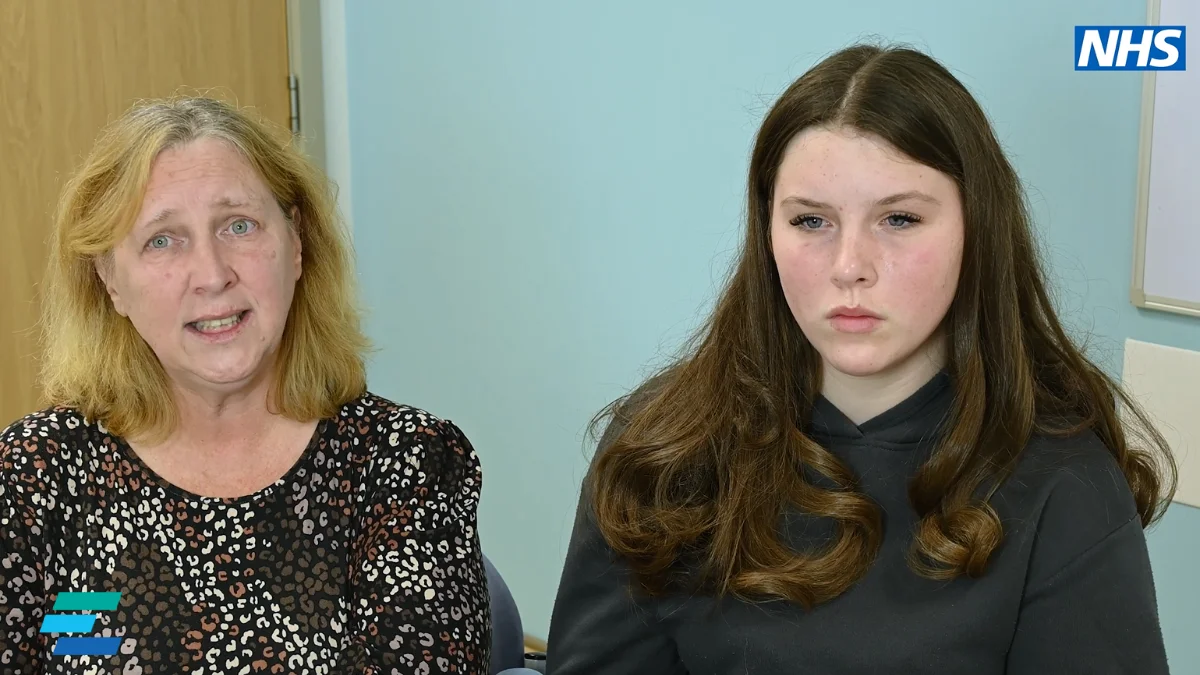

Toilet, thirsty, tired, thinner: the 4Ts of type 1 diabetes. A Rayleigh mum whose daughter nearly died of DKA wants every Essex parent to know them.
Toilet, thirsty, tired, thinner. Those are the 4Ts, the NHS’s shorthand for the signs of type 1 diabetes in children, and a Rayleigh mother who was told to say goodbye to her 13-year-old daughter wants every parent in Essex to learn them on World Diabetes Day, Saturday 14 November.
Mandy’s daughter Zara was rushed to Southend Hospital in August 2025 with undiagnosed type 1 diabetes and diabetic ketoacidosis (DKA), a life-threatening condition in which the body does not have enough insulin. She survived. Zara is now 14, and NHS Essex, which plans and pays for health services across the county, Chelmsford included, has published the family’s story to help other parents spot the signs sooner.
Overview
- The 4Ts: going to the toilet more often, being constantly thirsty, feeling tired with no energy, and getting thinner.
- If you see them: NHS Essex says get a same-day urgent assessment from your GP or NHS 111.
- Call 999 or go to A&E if a child with those signs also has severe stomach pain, rapid breathing, vomiting or confusion: that can be DKA.
- More than one in four children and young people newly diagnosed with type 1 diabetes are admitted to hospital with DKA, according to the national paediatric diabetes audit for 2024/25 quoted by NHS Essex.
Signs that crept up for months
Looking back, the warnings had been there for months. Zara complained of stomach pains and backache, was tired all the time, was always thirsty, needed the toilet more often and suffered from dizziness. NHS Essex says the family went to their GP practice, but the symptoms were at first put down to other causes.
In early August 2025, on a family weekend away, things got worse fast. Zara was visibly thinner, said her clothes felt loose, and had to keep stopping on outings because she was exhausted.
“She then developed an unquenchable thirst, drinking massive amounts of fluids and using the toilet constantly,” Mandy told NHS Essex. “Due to the warm weather, I mistakenly thought she just needed to keep hydrated. That evening she was sick a lot.
“Two days later, Zara was too exhausted to leave the car during our trip and asked to go home. When we arrived home, she was sick repeatedly and told me she couldn’t breathe. She had deep, rapid and laboured breathing. We checked her heart rate, which was 178bpm, and took her straight to Southend Hospital.”
“Prepare for the worst”
At A&E Zara was triaged at once and diagnosed with type 1 diabetes and DKA. NHS Essex says that within 15 minutes 17 staff were around her bed, the hospital activated its PANDA protocol for seriously ill children, and a specialist team at Addenbrooke’s Hospital in Cambridge guided her care by phone every 15 minutes.
“While the medical team were asking me questions, they told me that they were wiring Zara up to a defibrillator in case her heart stopped,” Mandy said. “It was at this point that staff told me to call my family to come to the hospital, prepare for the worst, and say my goodbyes because she was not expected to live.”
Zara was moved to the adult intensive care unit and monitored constantly. Slowly she improved, moved to the children’s ward, and spent a week in hospital in all. Before she went home, diabetes nurses gave her a “Rufus Bear”, a teaching toy for children with type 1 diabetes, and fitted her first continuous glucose monitor on her arm.
“Our experience felt like a catastrophic plane crash rather than a managed emergency landing,” Mandy said. “Her siblings are still adjusting to the emotional turmoil of what they saw.
“Zara doesn’t remember much of the time in intensive care but has vivid memories of certain moments and those who she formed the closest bonds with.
“I live with a heavy sense of guilt that I failed her by not recognising the signs. I had absolutely no idea what the 4Ts were, what the signs of type 1 diabetes looked like or how life-threatening DKA can be.”
What to look for, and when to act
The 4Ts, as NHS Essex sets them out:
- Toilet: going to the toilet more often, bedwetting by a child who was previously dry, or heavier nappies in babies.
- Thirsty: being constantly thirsty and not being able to quench it.
- Tired: feeling very tired and having no energy.
- Thinner: losing weight or looking thinner than normal.
Dr Deepa Shanmugasundaram, a GP and clinical lead at NHS Essex, said: “Symptoms of diabetes can develop quickly so it is important that parents are aware of what to look out for. Children may start going to the toilet more often and also become constantly thirsty without being able to quench it. They may also feel very tired and have no energy and lose weight or look thinner than usual. If you notice these symptoms, you should seek same day urgent medical assessment via your GP or NHS 111.
“If symptoms get noticeably worse, it could be what is known as diabetic ketoacidosis which needs immediate attention. When you have symptoms of undiagnosed diabetes and severe stomach pain, rapid breathing, vomiting and confusion, you should call 999 or go to A&E straight away.”
DKA develops when diabetes is not treated. NHS Essex says it can mean feeling sleepy and confused, breathing faster and more deeply than usual, stomach pain, diarrhoea, and feeling or being sick.
Zara now
Zara manages her diabetes with a glucose monitor and an insulin pump: before she eats, she enters the carbohydrates in her food and the device works out and delivers the insulin she needs.
“This technology has given her back her independence, confidence, and freedom to live like any other teenager,” Mandy said. “I support her by helping calculate her meal carbohydrates to ensure accuracy. Managing this condition is hard work, and celebrating her resilience is what she responds to best.”
Community diabetes nurses have trained staff at her school, and NHS Essex says her friends have learnt the signs and remind her to check her levels. Zara, who loves singing and dances ballet and contemporary, once wanted to be a lawyer. Now she wants to be a children’s nurse, “so she can care for children, just like the team who saved her”, in the words of the NHS Essex account.
“We know that other families have not been as fortunate as us,” Mandy said. “Tragically, there are parents who have lost their children to DKA from undiagnosed type 1 diabetes. No family should ever have to endure the trauma we went through.”
A monthly group for families
Mandy now runs a monthly meet and greet for any family with a child who has type 1 diabetes, a place to swap experiences, tips and advice, and all family members are welcome. It meets at 11.30am on the second weekend of each month at Manzano Lounge, High Street, Rayleigh SS6 7EJ.
The family’s full story, and Mandy’s contact details for the group, are on the NHS Essex website.
Have your say