
Anglia Ruskin students and DKMS UK are signing up stem cell donors in the MAB Foyer from 11am to 3pm on Thursday 5 November. Updated November 2026.
Anglia Ruskin University students and the blood cancer charity DKMS UK will sign up new stem cell donors on the university’s Chelmsford campus from 11am to 3pm on Thursday 5 November.
The event, in the MAB Foyer on the main campus, is run by the university’s Afro-Caribbean Medical Society in partnership with the ARU Students’ Union. Students and members of the public are both encouraged to come, and the society particularly wants to reach people from minority ethnic backgrounds, who are underrepresented on the register.
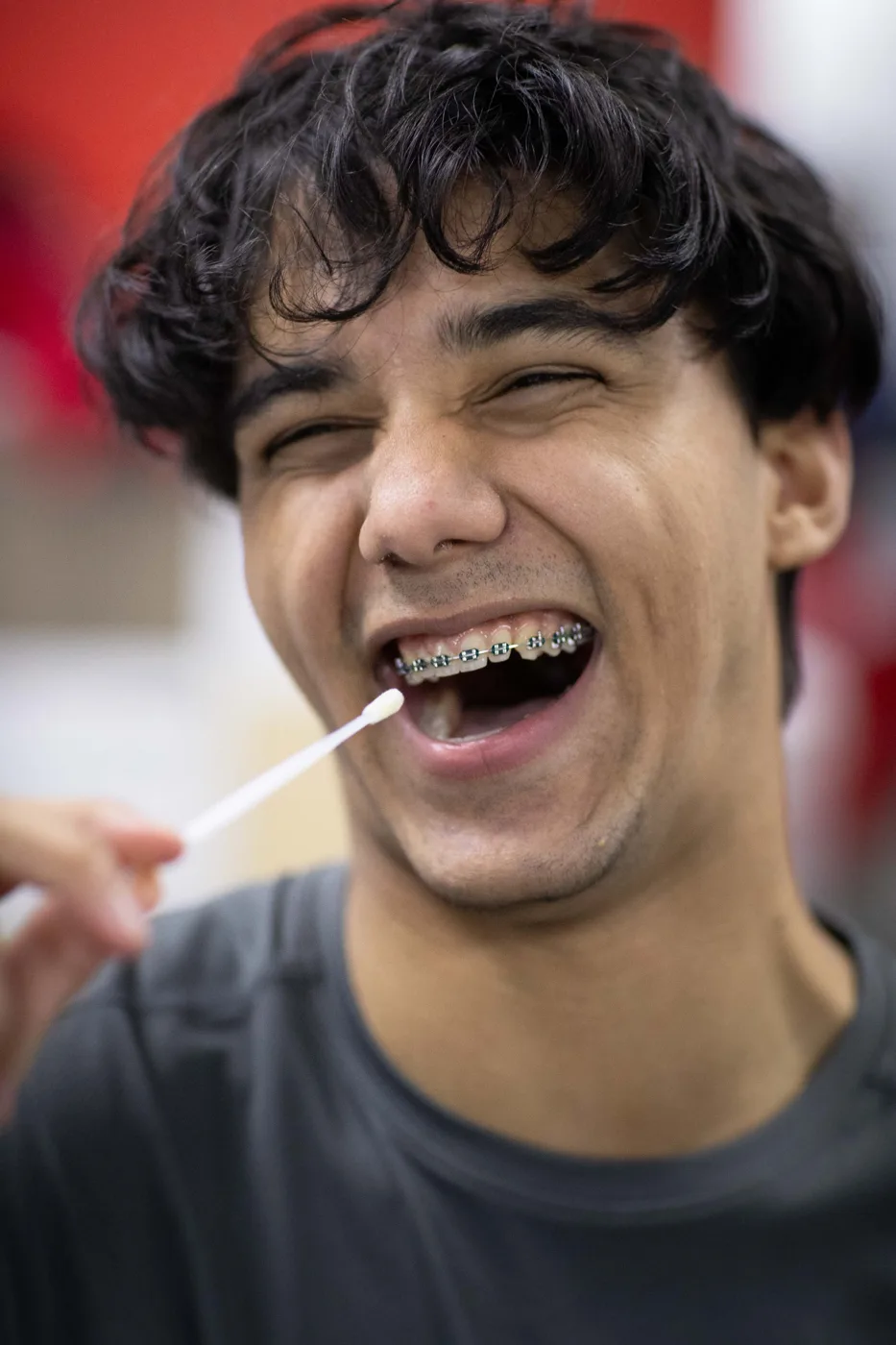
Joining takes a few minutes and some painless cheek swabs, which can be done on the day.
The society has worked with DKMS UK before. Last year’s event saw dozens of students from a range of backgrounds sign up.
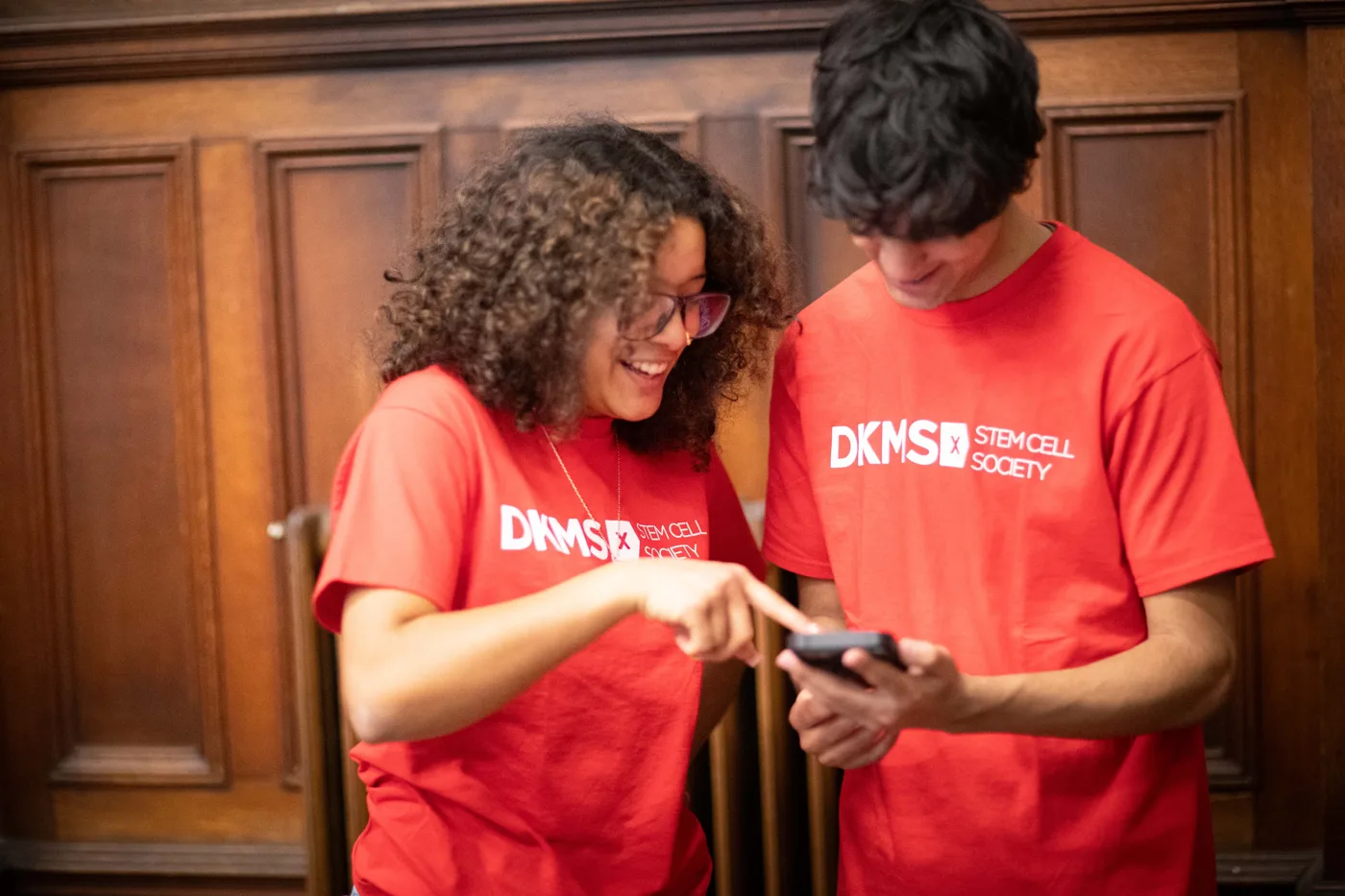
Why the students are doing it
Daniel Mubenga, a medical student and the society’s President, said the gap in outcomes was the reason for the event.
“As medical students, we are passionate about making sure that all patients are able to access the best quality care, regardless of their background or where they come from,” he said.
“It is difficult to hear that blood cancer patients from non-white backgrounds experience worse outcomes, due to a lack of available stem cell donors. However, the positive side is that there is something we can do to help.
“Every person who signs up to the DKMS register is improving the odds for patients around the world who are still searching for their lifesaving match. There are students on the ARU campus who, one day, could be called to give someone a second chance at survival, but, until you sign up, you won’t know if you are a match for someone in need. Most people don’t get matched to a patient, but if you are, you could potentially save a life.”
He added: “We would especially love to see people from UK ethnic minority backgrounds coming forward to join the register, but people from all backgrounds are welcome to come along and sign up. Joining the register will only take a few minutes, and if you are ever called, the procedure is likely to be much easier than you think. Patients around the country and the world are searching for lifesaving matches, and everyone who joins is making a difference to their odds.”
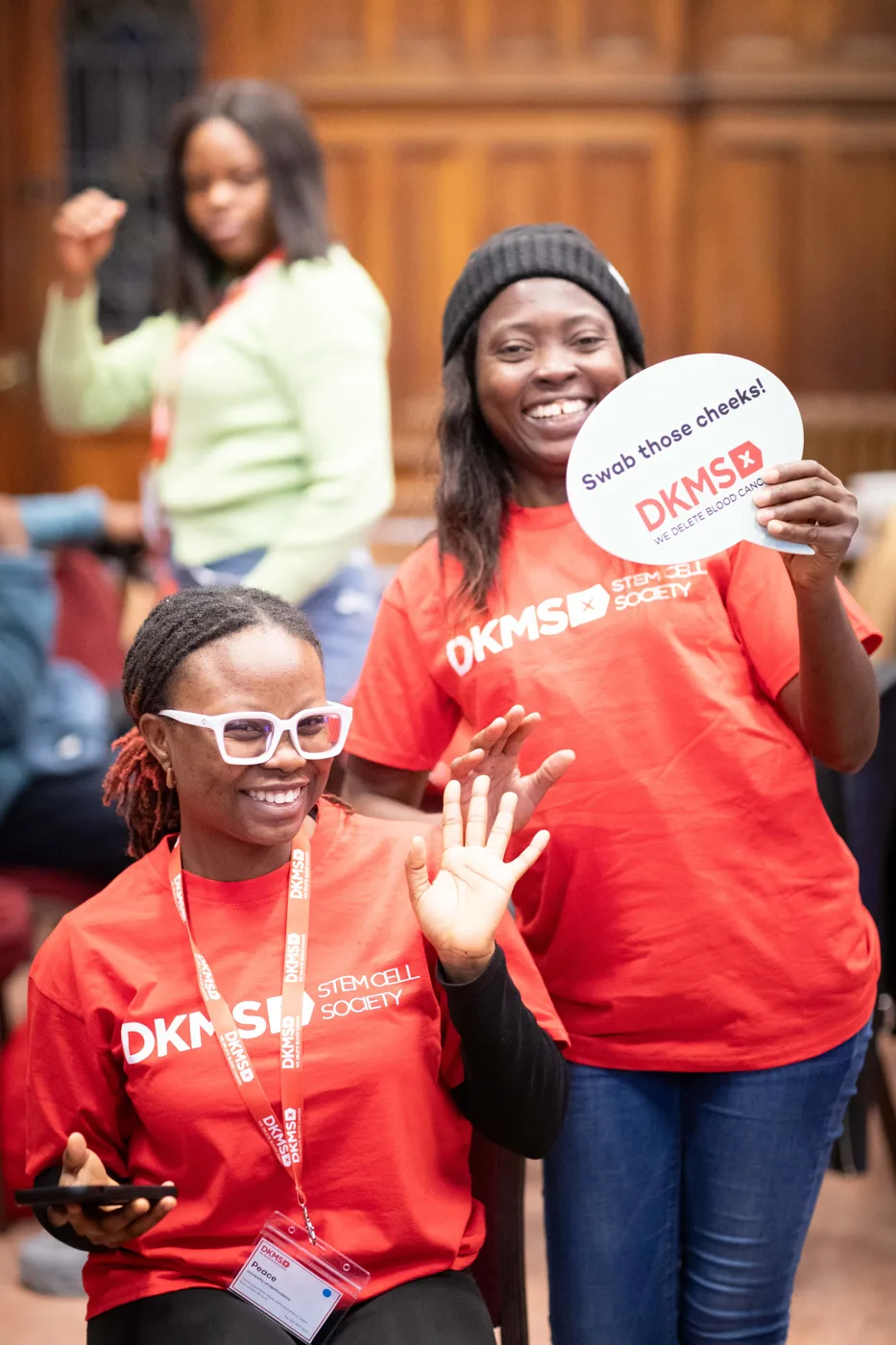
What the numbers show
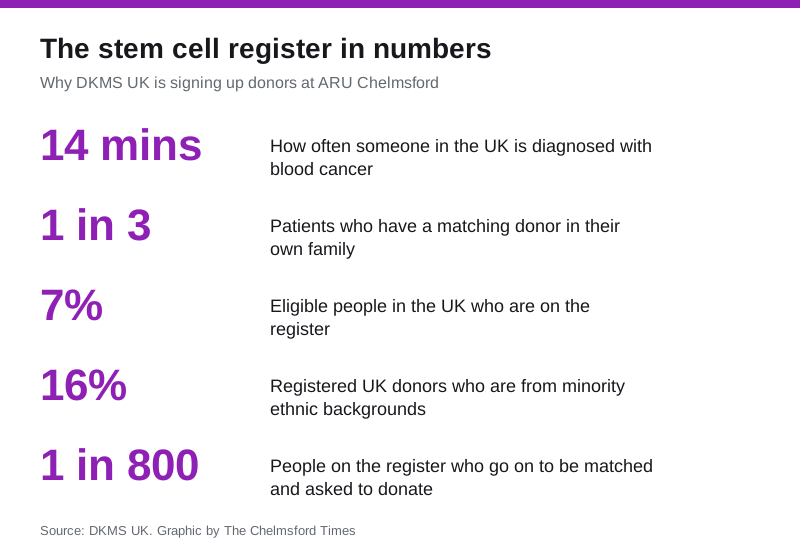
DKMS UK says someone in the UK is diagnosed with blood cancer every 14 minutes, and for many of them a stem cell transplant from a matching donor is the best chance of survival. Only one in three patients has a match in their family, so most depend on finding a stranger on the register. At any one time, the charity says, around 2,000 people in the UK are waiting for a matching donor.
Just 7% of the UK’s eligible population is signed up, and only 16% of registered donors are from minority ethnic backgrounds.
That matters because the genetic markers used for matching are inherited, so a patient is more likely to match a donor of the same ethnic background. Patients and donors do not always need the exact same heritage, but DKMS UK says matches strongly correlate with ethnicity, and patients from minority ethnic backgrounds can face longer and more difficult journeys to treatment.
“At DKMS, we want to ensure that all patients living with blood cancers and blood disorders have equal access to lifesaving care, which means we need a stem cell register that looks more like our society,” a spokesperson for the charity said.
“That’s why we are so grateful to Daniel, the ACMS, and ARU for their amazing work in organising this event. Encouraging more young people to join the stem cell register, particularly those from diverse backgrounds, has the potential to save lives.”
What it means for you
To join on the day: go to the MAB Foyer at Anglia Ruskin University in Chelmsford between 11am and 3pm on Thursday 5 November. Anyone aged 16 to 55 and in general good health is eligible.
If you cannot get there: DKMS UK sends a free swab kit to order online. You answer a few health questions, swab your cheeks, and post the swabs back to its Freepost address.
If you are matched: it is rare. Around 1 in 800 people go on to be matched to a patient and asked to donate.
Nine in ten donations now come from the bloodstream, without surgery, in a procedure similar to donating platelets. A line goes into a vein in each arm, collection usually takes four to six hours at most, and donors can normally go home the same day. Beforehand, donors take a growth factor drug called G-CSF for five days, which some find brings flu-like symptoms, and DKMS UK says they should avoid weight training, contact sports and strenuous physical work from the first day of the drug until up to two weeks after donating.
The other one in ten donations are taken from the pelvic bone under general anaesthetic.
For other events this month, see what’s on in Chelmsford.
Frequently asked questions
When and where is the stem cell donor event in Chelmsford?
It runs from 11am to 3pm on Thursday 5 November in the MAB Foyer on the main Anglia Ruskin University campus in Chelmsford. Students and members of the public are encouraged to attend.
Who can join the stem cell donor register?
DKMS UK says anyone aged 16 to 55 and in general good health is eligible.
Can I sign up if I cannot get to the event?
Yes. DKMS UK sends a free swab kit to your home if you order one from its website and answer a few health questions first.
Have your say